
In 2026 alone, two cases involving Burundi are already pending before the International Centre for Settlement of Investment Disputes (ICSID). Both concern the mining sector. And a third could be on the way: according to information I have gathered, the dispute over Kira Hospital may also end up before an international tribunal. But what exactly is ICSID, and what does a state risk when a dispute with an investor lands before this institution? Here's a closer look.
The acronym means little to most people. ICSID — the International Centre for Settlement of Investment Disputes — is an institution dedicated to resolving disputes arising from international investments.
Established in 1966 under an international convention drawn up under the auspices of the World Bank, it belongs to the World Bank Group and is headquartered in Washington, D.C.
ICSID is neither a criminal court nor a tribunal that rules on government policy. Its mandate is to provide a framework for resolving investment disputes, chiefly by administering arbitration and conciliation proceedings.
In practice, when a dispute arises between an investor and a state and there is a legal basis for arbitration — a treaty, a law or a contract, for instance — the case can, under certain conditions, be brought before ICSID.
The case is then examined by an arbitral tribunal: the parties present their arguments and evidence before the arbitrators hand down a ruling.
Two Cases in 2026
Based on what is currently known, two cases involving Burundi are now pending before ICSID. They were registered just one month apart.
Ntega Holding Burundi S.A.
The first case pits Ntega Holding Burundi S.A. against the Republic of Burundi. According to ICSID's official case database, the proceeding was registered on 6 January 2026, under case number ARB(AF)/26/1.
The information made public so far remains limited. The Centre states that the dispute concerns a mining concession and that the instrument invoked is a contract. Ntega Holding Burundi S.A. is the claimant and the Republic of Burundi the respondent.
Ntega Holding Burundi S.A. is no newcomer to Burundi's mining sector. It was involved in the coltan mining project run by Ntega Mining Burundi.
In July 2021, in an article headlined "Suspension des activités des sociétés minières : 'L'État n'en tirait pas profit'" ("Mining companies' activities suspended: 'The State was not benefiting'"), our colleagues at Burundi Eco reported that the government had just suspended the activities of several mining companies operating in Burundi. Ntega Mining Burundi was among the firms affected.
Burundi Eco relayed the explanation given by the minister in charge of mines, Ibrahim Uwizeye. According to him, the agreements between the state and these companies were lopsided and risked causing significant losses for the country. The government intended to renegotiate them "in a spirit of mutual benefit." The minister added, however, that the suspension of activities did not amount to a withdrawal of mining permits.
The same article revealed another detail: within Ntega Mining Burundi, the Burundian state held a 15% stake, against 85% for Ntega Holding Burundi S.A. The company was mining coltan at Runyankenzi, in Kirundo province, at the time.
Nearly five years later, on 6 January 2026, Ntega Holding Burundi S.A. launched proceedings against the Republic of Burundi before ICSID.
The timing is worth noting, though it should not be read as a legal conclusion: the information ICSID has made public so far does not spell out the grievances raised by Ntega Holding Burundi S.A., so there is no basis to say the 2021 suspension is the grounds for its claim.
Tanganyika Gold S.A., an Older Project
The second case pits Tanganyika Gold S.A. against the Republic of Burundi. According to ICSID, it was registered on 5 February 2026, under case number ARB(AF)/26/2.
Here too, the Centre states that the dispute concerns a mining concession and that the instrument invoked is a contract. Tanganyika Gold S.A. is the claimant and the Republic of Burundi the respondent.
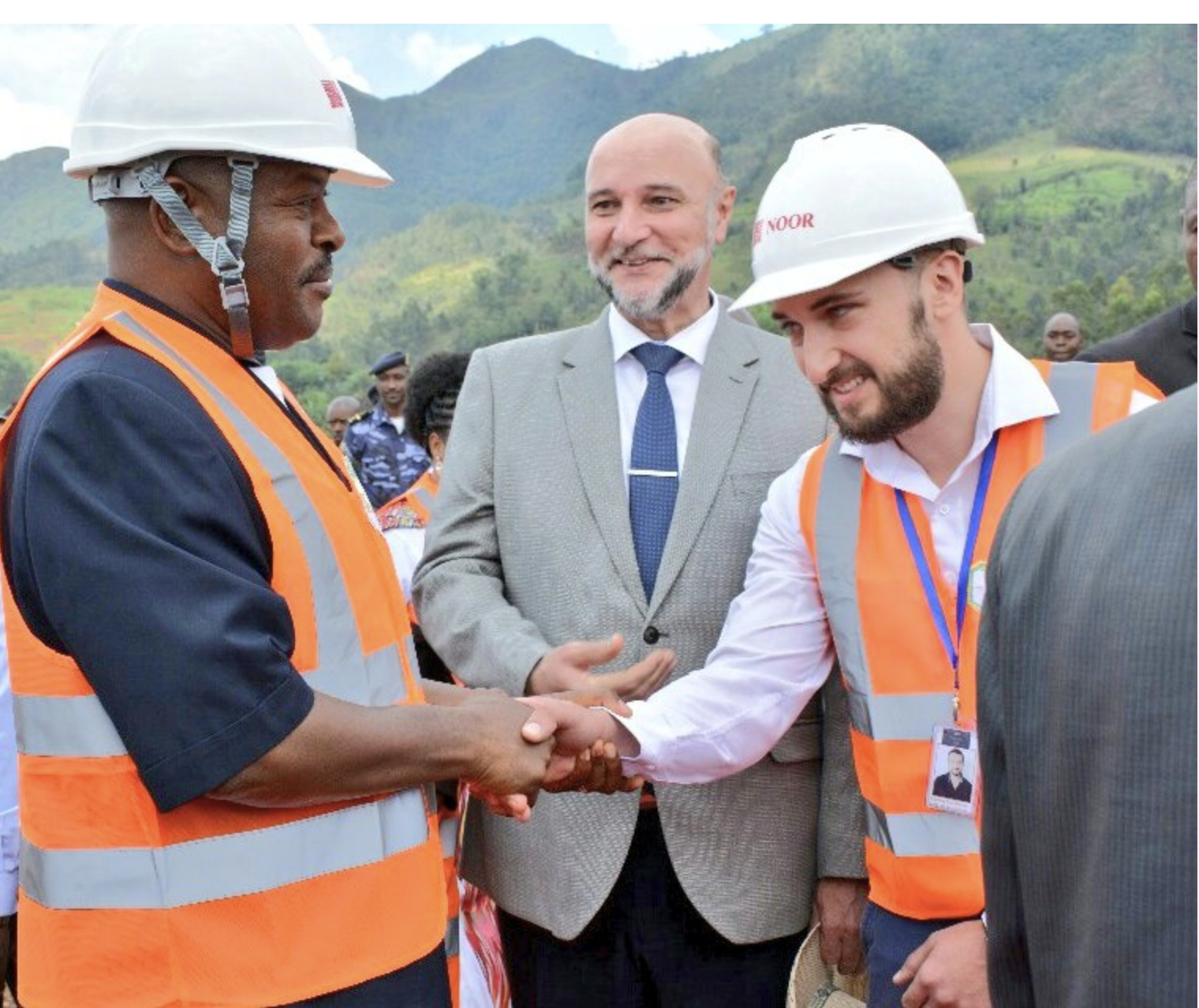
Tanganyika Gold S.A.'s history in Burundi goes back several years. A presidential decree from September 2016 already refers to the renewal of its permit to prospect for gold and associated minerals.
The project moved forward in October 2017, when a presidential decree granted Tanganyika Gold S.A. a permit to mine gold and associated minerals at the Cimba deposit, in Mabayi commune, Cibitoke province.
Two months later, on 29 December 2017, the state authorized its stake in Tanganyika Mining Burundi (TMB), the joint venture set up to work the deposit.
The decree spelled out the arrangement: a 15% share for the Burundian state, whose contribution consisted mainly of the subsoil containing the deposit. Tanganyika Gold S.A., for its part, was to provide the capital needed to build, develop and operate the mine.
Iwacu was already following the story at the time. In a report by Parfait Gahama published on 14 November 2017 under the headline "Mabayi : quand l'exploitation de l'or inquiète" ("Mabayi: when gold mining raises concern"), the paper visited the Cimba site. Residents interviewed voiced concern about the impact of industrial mining on their land and livelihoods.
The report noted that mining and marketing the gold was to be handled by Tanganyika Mining Burundi, the joint venture combining Tanganyika Gold S.A. and the Burundian state.
Four years later, Tanganyika Mining Burundi would face the same turning point as Ntega Mining Burundi.
In its July 2021 article, Burundi Eco listed Tanganyika Mining among the companies whose activities the government had just suspended, noting that the firm had been mining gold at Cimba since 2018.
On 5 February 2026, Tanganyika Gold S.A. in turn launched proceedings against the Republic of Burundi before ICSID.
Again, the timeline is clear, but caution is warranted: the public information ICSID has released does not establish that the 2021 suspension is legally the basis for the claim.
Striking Parallels
The two cases share several common threads.
Ntega Holding Burundi S.A. and Tanganyika Gold S.A. are both tied to mining projects in which the Burundian state held a 15% stake in the operating companies. Both projects were caught up in the 2021 suspension of mining activities. And their ICSID cases were registered just one month apart, in January and February 2026.
There is another notable detail. In its official database, ICSID lists both Ntega Holding Burundi S.A. and Tanganyika Gold S.A. as Burundian nationals. In both cases, the Republic of Burundi is the respondent.
The information currently available does not, at this stage, explain the precise legal grounds on which companies identified as Burundian are able to bring these claims against the Burundian state. ICSID states that both disputes are based on contracts and fall under the arbitration rules of its Additional Facility.
Another shared feature: Ntega Holding Burundi S.A. and Tanganyika Gold S.A. are both represented by Hogan Lovells International, a major international law firm well versed in international arbitration and investor-state disputes. In both cases, the Republic of Burundi is represented by the Ministry of Justice, Human Rights and Gender Affairs.
In both cases, the arbitral tribunals were constituted on 7 July 2026 and are made up of the same three arbitrators. Both proceedings remain pending.
At this stage, public information does not reveal the amounts potentially being claimed from Burundi, nor the details of the two companies' grievances. It is therefore impossible to predict the outcome of these proceedings.
Kira Hospital Could Be Next
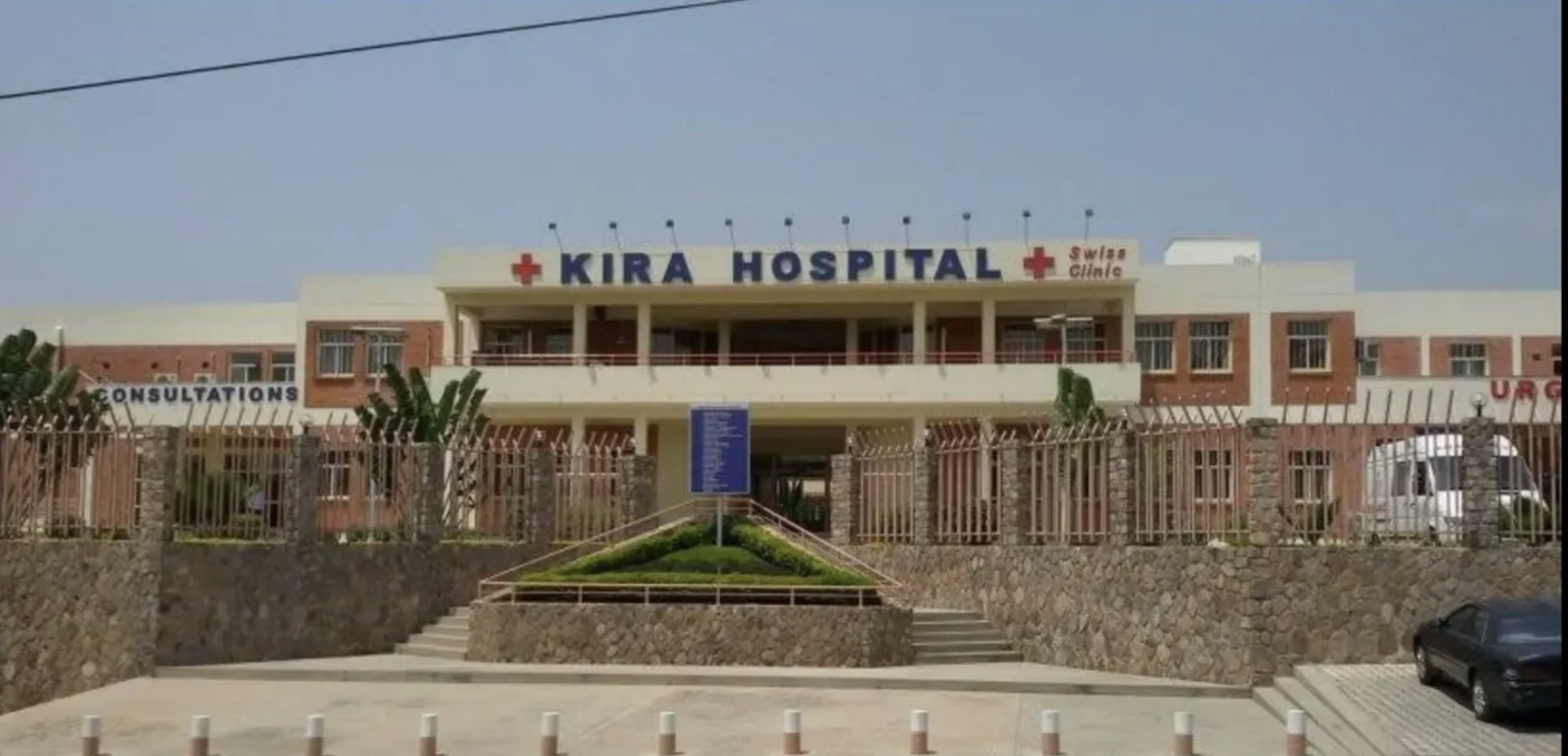
Another case could soon join these two files.
According to information I have gathered, the dispute over Kira Hospital could in turn lead to international proceedings involving the Republic of Burundi.
The case does not currently appear in ICSID's public database of registered proceedings. It must therefore be clearly distinguished from the Ntega Holding Burundi S.A. and Tanganyika Gold S.A. cases, whose proceedings are formally open.
The Kira file centers on the conflict between Kira Hospital and its investors. According to our information, steps are underway to bring the dispute into international arbitration.
Until any such proceeding is formally registered, however, it would be premature to detail the claims involved or to predict the outcome.
What Is Burundi Risking?
Being named as respondent in an arbitration proceeding does not mean the state will be found liable.
Burundi can contest the claims brought against it, present its own arguments and evidence and, where applicable, challenge the tribunal's jurisdiction. The arbitrators may also dismiss some or all of the claims.
If, on the other hand, the tribunal finds the state liable, it can order it to pay compensation. That sum can be topped up with interest and some or all of the costs of the proceedings.
And the sums involved can be substantial.
A recent example comes from a neighboring country, Tanzania, in a case that also concerned the mining sector.
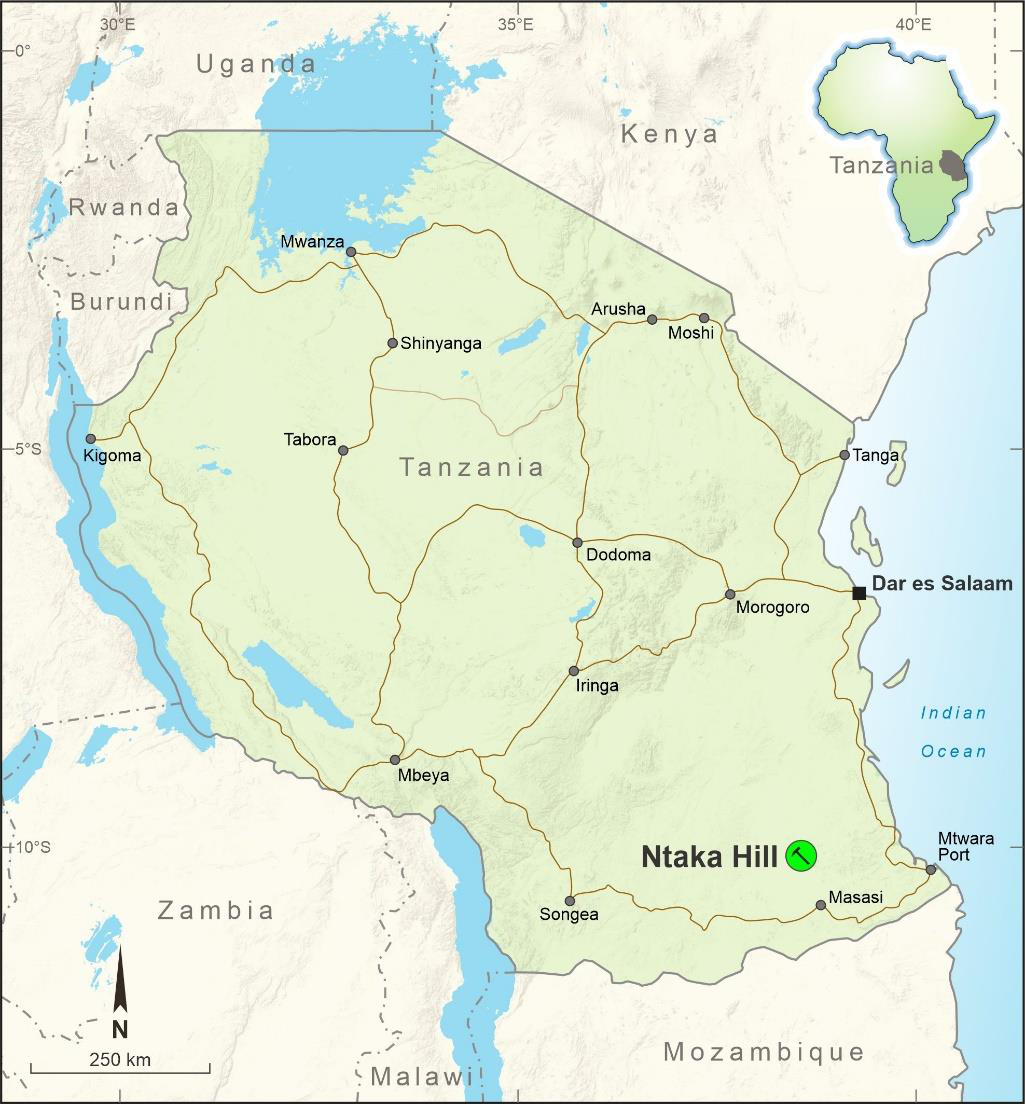
In Nachingwea and others v. Tanzania, the dispute centered on the Ntaka Hill nickel project in the country's southeast. In July 2023, an ICSID tribunal found that Tanzania had breached the bilateral investment treaty binding it to the United Kingdom, following a reform of its mining regulations.
Specialist international arbitration outlets followed the case closely. Global Arbitration Review, in an article headlined "Tanzania liable over revoked mining licence," reported on the tribunal's ruling over the revoked mining rights.
African Law & Business, for its part, devoted an August 2023 article to the case under a particularly blunt headline: "Tanzania ordered to pay USD 109 million arbitration award."
The initial damages awarded to the investors came to $76.7 million. With interest and costs added, the total value of the award topped $100 million.
The story did not end there. Tanzania sought to challenge the award. Eventually, in July 2024, African Law & Business reported, in a follow-up article headlined "Tanzania to pay USD 90 million arbitration settlement," that a deal had been struck: Tanzania agreed to pay $90 million to settle the dispute.
This example naturally says nothing about the outcome or the sums at stake in the Burundi cases. The amounts sought by Ntega Holding Burundi S.A. and Tanganyika Gold S.A. remain unknown at this stage.
It nonetheless illustrates what an international dispute over mining rights can end up costing a state.
Both cases involving Burundi also fall under ICSID's Additional Facility. Awards issued under this mechanism are binding on the parties and, if not honored voluntarily, can be subject to recognition and enforcement proceedings before the competent courts.
Beyond any eventual compensation, arbitration itself comes at a cost: legal fees, the expenses of the arbitral tribunal, experts and other outlays needed to mount the state's defense.
For now, one thing is certain: two proceedings involving Burundi have been opened before ICSID since the start of 2026 and remain pending. A third case, involving Kira Hospital, could follow if the steps I am aware of do in fact lead to a formal proceeding being opened.
Find in-depth analyses and investigations in our Special Reports to better understand the issues that matter in Burundi and the Great Lakes region.
Contact: antoine@antoinekaburahe.com


