
This analysis follows the first episode of the Burundi-Rwanda: Anatomy of a Rupture series, which covered the exile of Rwandan Tutsi in Burundi starting in 1959.
"Which Burundian Hutu who took refuge in Rwanda has forgotten the nickname 'nyakarundi'? Who has forgotten the taunt that some Rwandan leaders threw at Hutu refugees from Burundi, so often mocked for having endured, without resisting, the 'Tutsi yoke' for decades?"
That question, drawn from the memoirs of Sylvestre Ntibantunganya, published by Éditions Iwacu, says a great deal about what exile in Rwanda meant for Burundian Hutu. One word in particular stands out: nyakarundi.
The Burundian. The outsider. A man who, even as a Hutu in a Rwanda then governed by Hutu, remained first and foremost a Burundian.
History seemed to have turned the tables. Thirteen years earlier, starting in 1959, tens of thousands of Rwandan Tutsi had fled the violence of the "Social Revolution" and found refuge in Burundi. They had been welcomed and protected there, had studied, worked, built businesses, schools, cultural associations. But they, too, had discovered the limits of that hospitality.
Burundi was a land of asylum. That did not make it a new homeland.
National preference barred them from parts of the civil service. In 1973, a hike in the admission threshold for secondary schools bluntly reminded Rwandan refugee children that, even after more than a decade there, they remained foreigners.
From 1968–1970, and especially in 1972, the movement reversed. This time it was Burundian Hutu forced across the border into Rwanda. And they, too, would discover that shared ethnicity does not erase nationality.
1972: A Decimated Elite, a Generation on the Run
In April 1972, an uprising erupted in southern Burundi, notably in the regions of Rumonge, Nyanza-Lac, Bururi and Makamba, as well as in Gitega and Bujumbura. Thousands of Tutsi were massacred by the insurgents, including the two aides-de-camp of President Michel Micombero.
The response from Micombero's government was ferocious, according to testimonies and historians' research.
The army, the gendarmerie, the police and the Rwagasore Revolutionary Youth launched a massive crackdown that struck Hutu across the country.
René Lemarchand estimates that between 100,000 and 200,000 Hutu were killed. Other estimates put the toll even higher. But beyond the battle over numbers, one fact stands out in his analysis: the repression fell hardest on the elite — the educated and the business class among the Hutu.
The figures he compiles measure the scale of the disaster.
At the University of Bujumbura, the document cited by Lemarchand reports around 250 students "missing" out of 350. That word does not necessarily mean all of them were killed: it also covers those who fled or were sent home before the school year ended. At the Ngagara Teacher Training College, nearly 40% of pupils are recorded as missing. At the Higher Teacher Training College in Bujumbura, 55 out of 135 students disappear. At the Kamenge Technical Secondary School, the figure is 170 out of 415. At the Athénée in Gitega, 148 of 380 pupils left, some forty of whom are believed to have been killed. At the Kiremba Teacher Training College, the document cited by Lemarchand records at least a hundred executions among 355 pupils.
The army itself is purged of its Hutu members. Civil servants, teachers, students, soldiers: the very institutions capable of producing a future Hutu elite are the ones being struck.
Lemarchand bluntly sums up the scale of this destruction: aside from those who manage to flee to Rwanda, Tanzania or Congo, "virtually the entire Hutu elite was wiped out."
Among those who do escape, he names several figures who would later resurface in politics — including a certain Melchior Ndadaye. A name worth remembering.
These young men obviously have no idea yet, but some of them will go on to play a major role in Burundi's political history. For now, they are survivors. They must leave.
Rwanda, a Natural Refuge?
For many of those heading north, Rwanda might have looked like an obvious destination.
The country was then ruled by Grégoire Kayibanda. The 1959 "Social Revolution" had overthrown the old political order and brought Hutu elites to power.
The contrast with Micombero's Burundi seemed stark.
On one side, a regime largely dominated by Tutsi military officers that had just massacred a large part of the Hutu elite. On the other, a republic governed by Hutu.
For the Burundian refugees, shared ethnicity might have suggested an almost natural solidarity.
Reality would prove more complicated. Sylvestre Ntibantunganya carried away from that period the memory of a single word: nyakarundi. And he was not the only one.
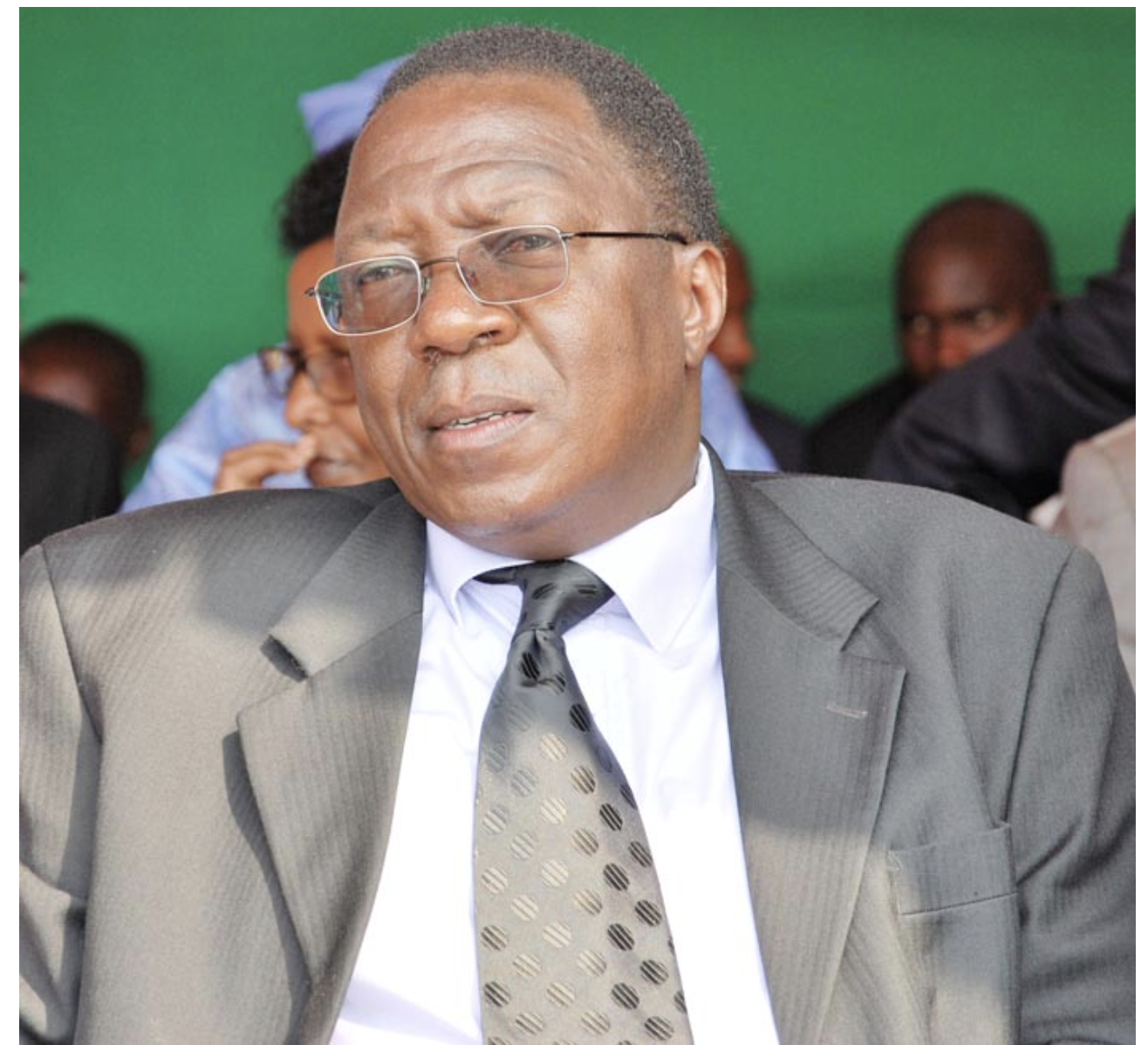
In his account, the term carries a mocking edge. Some Rwandan officials used it to remind refugees of their Burundian origins.
They were Hutu. But they were Hutu from Burundi.
Nyakarundi. In his memoirs, Ntibantunganya also recalls another humiliation: some Rwandan leaders reproached these refugees for having endured decades of "Tutsi rule" without rising up.
The remark reveals a political divide far deeper than it first appears.
For some Rwandans, their country's history since 1959 had proven that a Hutu majority could overturn a Tutsi-dominated order and seize power.
Why hadn't Burundi's Hutu done the same? The question, one can imagine, could feel cruel to men and women who had just fled massacres themselves.
But above all, it reveals something that shared ethnicity could obscure: being Hutu in Rwanda and being Hutu in Burundi did not necessarily mean sharing the same history, or thinking about politics the same way.
Ethnicity brought them together. Nationality set them apart. So did their historical experiences.